
Blog
Study tips & honest guides to learning
Practical, research-backed advice on studying, exams and getting the most from tutoring — written by our team, not a content mill.
Python or Java: Which Should You Learn First?
An honest comparison of Python and Java for beginners — which is easier to start, which is better for jobs, and how to choose based on your actual goal.
Daniyal Ahmed · 7 min read
How to Write Strong Urdu Essays for O-Level and Matric
A practical guide to O-Level and Matric Urdu — essay structure, idiomatic expression, grammar accuracy, and how to prepare for comprehension and summary questions.
Sana Iqbal · 7 min read
How to Write Psychology Essays: Mastering AO3 Evaluation
A practical guide to psychology essay technique — the AO1/AO2/AO3 split, writing real evaluation, and turning knowledge of studies into top-band marks.
Daniyal Ahmed · 8 min read
How to Write Politics Essays That Reach the Top Band
A guide to A-Level politics essay technique — using real examples, balancing arguments fairly, and reaching the justified judgements examiners reward.
Sana Iqbal · 7 min read
How to Study Statistics (When It Feels Like a Foreign Language)
A practical guide to learning statistics — understanding rather than memorising, the concepts students always trip on, and how to handle statistical tests with confidence.
Daniyal Ahmed · 8 min read
How to Study Economics: Diagrams, Evaluation and Top-Band Essays
A practical guide to A-Level and IGCSE economics — using diagrams properly, building evaluation, and writing the analytical essays examiners reward.
Daniyal Ahmed · 8 min read
How to Revise Organic Chemistry (Mechanisms, Not Memorisation)
A practical method for organic chemistry — understanding mechanisms instead of memorising reactions, mastering curly arrows, and building a reaction map that actually sticks.
Sana Iqbal · 8 min read
How to Revise Biology (When There's So Much to Remember)
A method for biology revision — turning a huge content load into connected understanding, using diagrams properly, and answering exam questions with precision.
Sana Iqbal · 7 min read
How to Prepare for O-Level Islamiat: A Clear Study Method
A practical guide to O-Level and Matric Islamiat — how to structure answers, use Quranic references and Hadith accurately, and revise the syllabus efficiently.
Sana Iqbal · 7 min read
How to Master Double-Entry Accounting (Debits and Credits Explained)
A clear guide to double-entry bookkeeping — what debits and credits really mean, why the rules work, and how to stop guessing which side an entry goes.
Sana Iqbal · 8 min read
How to Learn Mandarin Tones (And Actually Be Understood)
A practical guide to Mandarin tones — why they matter, how to train your ear, and the tone-pair method that gets beginners speaking clearly.
Daniyal Ahmed · 7 min read
How to Finally Understand German Cases (Nominative to Genitive)
A clear explanation of the German case system — what each case does, how to spot which one you need, and how to stop guessing your articles.
Daniyal Ahmed · 7 min read
How to Improve Your Spoken English Fluency (Even Without a Partner)
Practical, honest advice for becoming fluent in spoken English — why speaking beats studying, how to practise alone, and how to stop translating in your head.
Sana Iqbal · 8 min read
How to Improve Your GRE Quant Score: A Practical Plan
A realistic guide to raising your GRE quantitative score — the maths you actually need, the traps that cost marks, and how to build accuracy and speed.
Daniyal Ahmed · 8 min read
How to Get a Grade 9 in GCSE Maths
What it actually takes to reach a grade 9 in GCSE maths — the topics that separate the top grades, exam technique, and how to practise problem-solving.
Sana Iqbal · 8 min read
Sociology: How to Evaluate Theories and Write Top-Band Answers
A guide to sociology essay technique — using perspectives as tools, evaluating with evidence, and building the balanced arguments examiners reward.
Daniyal Ahmed · 7 min read
How to Choose Your A-Level Subjects (Without Regretting It)
A practical guide to choosing A-Level subjects — what universities require, which combinations open doors, and the mistakes students most often regret.
Sana Iqbal · 8 min read
Physics: How to Answer Calculation Questions Without Losing Marks
A method for physics calculation questions — showing working, handling units, and avoiding the small errors that quietly cost most of the marks.
Daniyal Ahmed · 7 min read
How to Answer Law Problem Questions (The IRAC Method)
A step-by-step guide to law problem questions — using IRAC, applying case law to the facts, and reaching the reasoned conclusions examiners reward.
Daniyal Ahmed · 8 min read
Geography: How to Use Case Studies and Answer 9-Mark Questions
How to learn geography case studies properly and structure the extended answers that carry the most marks — with clear technique for data, maps and evaluation.
Sana Iqbal · 7 min read
How to Analyse Unseen Poetry (A Method That Works Every Time)
A reliable method for approaching any unseen poem — reading for meaning, analysing language and form, and writing an argued essay under exam pressure.
Sana Iqbal · 8 min read
GMAT vs GRE: Which Test Should You Take for Business School?
An honest comparison of the GMAT and GRE for MBA applicants — format, scoring, difficulty and what admissions committees actually think.
Daniyal Ahmed · 8 min read
Climate Change Explained: What Students Actually Need to Know
A clear, evidence-based explanation of climate change for GCSE, A-Level and IB students — the mechanism, the evidence, the impacts and how to write about it in exams.
Daniyal Ahmed · 8 min read
Business Studies: How to Answer Case-Study Questions
How to use the case study properly in business studies exams — applying theory to the business in front of you, and writing the evaluation examiners reward.
Sana Iqbal · 7 min read
ACT vs SAT: Which Test Should You Take?
A clear comparison of the ACT and SAT — format, timing, science section, scoring and how to decide which suits you best.
Sana Iqbal · 7 min read
IELTS vs TOEFL: Which English Test Should You Take?
An honest comparison of IELTS and TOEFL — format, scoring, difficulty, cost and who accepts each — so you can choose the right test for your goal.
Sana Iqbal · 7 min read
IELTS Speaking: How to Get Band 7 (Without Sounding Rehearsed)
A practical guide to IELTS Speaking Band 7 — what examiners actually score, how to handle Part 2, and the habits that raise your fluency score.
Daniyal Ahmed · 8 min read
How to Write a Dissertation Proposal (That Actually Gets Approved)
A step-by-step guide to writing a dissertation or thesis proposal — narrowing your research question, justifying your methodology, and avoiding the mistakes.
Daniyal Ahmed · 8 min read
How to Prepare for the 11+ (Without Making Your Child Miserable)
A calm, realistic guide to 11+ preparation — when to start, what the exam covers, how to practise reasoning, and how to keep your child confident rather than.
Sana Iqbal · 8 min read
How to Memorise the Quran: A Realistic Hifz Plan That Lasts
A practical, honest guide to Hifz — how the sabaq, sabqi and manzil system works, how much to memorise daily, and how to revise so what you learn actually stays.
Sana Iqbal · 7 min read
How to Study for Exams Effectively: A Method That Actually Works
A practical, research-backed method for studying effectively — active recall, spaced practice and past papers — without burning out. From Universal Tutor Hub.
Sana Iqbal · 8 min read
Active Recall and Spaced Repetition: The Two Techniques Worth Your Time
Active recall and spaced repetition are the two most effective, evidence-backed study techniques. Here's what they are and exactly how to use them.
Sana Iqbal · 7 min read
Online vs In-Person Tutoring: Which Is Actually Better?
An honest comparison of online and in-person tutoring — effectiveness, cost, tutor choice and which suits your child. From Universal Tutor Hub.
Daniyal Ahmed · 7 min read
How to Get Band 7 in IELTS Writing: What Actually Moves Your Score
IELTS Writing is where most candidates get stuck. Here's what Band 7 actually requires and the specific habits that raise your writing score.
Daniyal Ahmed · 8 min read
How to Improve Your SAT Score: A Realistic Plan
A practical, honest guide to raising your SAT score — diagnostics, targeted practice, and the digital-test strategies that actually help.
Daniyal Ahmed · 7 min read
How to Overcome Exam Anxiety: Calm, Practical Steps
Practical, kind strategies to manage exam anxiety — preparation, breathing, reframing and support. Advice from Universal Tutor Hub for students and parents.
Sana Iqbal · 6 min read
How to Build a GCSE Revision Timetable That Actually Works
A realistic guide to planning GCSE revision — how to build a timetable you'll actually follow, prioritise subjects, and avoid burning out.
Sana Iqbal · 7 min read
Online Science Tutoring: How Students Learn Complex Concepts Faster
How one-to-one online science tutoring helps students understand physics, chemistry and biology faster — with the tools and techniques that make it work.
Daniyal Ahmed · 7 min read
How to Help Your Child with Maths at Home (Even If You're Not a 'Maths Person')
Practical ways for parents to support their child's maths — without needing to remember the maths yourself, and without making anxiety worse.
Sana Iqbal · 6 min read
How to Write a Strong Essay: A Method You Can Use in Any Subject
A clear, repeatable method for writing strong essays — planning, structure, argument and evidence — that works for English, history and beyond.
Daniyal Ahmed · 7 min read
How to Choose the Right Tutor for Your Child
A parent's guide to choosing the right tutor — what qualifications matter, the questions to ask, and the signs of a good (and bad) fit. From Universal Tutor Hub.
Sana Iqbal · 6 min read
The Best Way to Learn a Language Online, According to How Languages Actually Work
Apps alone won't make you fluent. Here's what actually works for learning a language online — and why speaking practice matters most.
Sana Iqbal · 6 min read
How to Memorise Anything for Exams (Without Endless Rereading)
Memory techniques that actually work for exams — active recall, chunking, memory hooks and spacing — explained simply and practically.
Sana Iqbal · 6 min read
Why One-to-One Tutoring Works: What a Classroom Can't Do
The evidence and the reasons behind why one-to-one tutoring is so effective — from pacing to feedback to the confidence it builds.
Daniyal Ahmed · 6 min read
How to Learn Python as a Complete Beginner (And Escape Tutorial Hell)
A realistic path for learning Python from scratch — what to learn first, how to avoid tutorial hell, and how to actually start building things.
Daniyal Ahmed · 7 min read
O-Level vs IGCSE: What's the Difference and Which Should You Choose?
A clear comparison of O-Level and IGCSE — how they differ in assessment, difficulty and recognition, and how to choose between them.
Sana Iqbal · 6 min read
How to Stay Motivated While Studying (When You Really Don't Want To)
Honest, practical strategies for staying motivated to study — building habits that don't rely on willpower, and getting started when motivation is low.
Sana Iqbal · 6 min read
A-Levels vs the IB: Which Is Right for You?
A balanced comparison of A-Levels and the International Baccalaureate — breadth vs depth, workload, and how universities view each.
Daniyal Ahmed · 7 min read
Preparing for University as an International Student: A Practical Checklist
A practical guide for international students preparing for university abroad — English tests, admissions exams, applications and academic readiness.
Sana Iqbal · 7 min read
How to Deal with Exam Results Day — Whatever the Outcome
A calm, practical guide to results day — how to prepare emotionally, what to do if grades are lower than hoped, and the options that remain.
Daniyal Ahmed · 6 min read
How to Take Notes That Are Actually Worth Reading
Why copying the board doesn't work, how the Cornell method fixes it, and how to write notes you'll actually use when revision starts.
Sana Iqbal · 4 min read
Learning Styles: What the Evidence Actually Says
The idea that students are visual, auditory or kinaesthetic learners is one of education's most persistent myths. Here's what research finds, and what to do instead.
Dr Ayesha Khan · 4 min read
How to Use Past Papers Properly (Most Students Don't)
Past papers are the highest-value revision activity — but only if you mark them honestly and act on the results. Here's the method.
James Whitfield · 4 min read
How to Stop Procrastinating (Without Relying on Willpower)
Procrastination is usually about avoiding a feeling, not laziness. Here's what actually reduces it, from a two-minute start rule to removing the friction.
Dr Ayesha Khan · 4 min read
How to Concentrate for Longer While Studying
Why your attention keeps breaking, how long focus realistically lasts, and the environment and habits that let you work for longer without forcing it.
Dr Ayesha Khan · 4 min read
How to Make Flashcards That Actually Work
Most flashcards fail because they ask too much per card. Here's how to write cards that force real recall — and how to review them so they stick.
Sana Iqbal · 4 min read
How to Use Mind Maps for Revision (Properly)
Mind maps are excellent for seeing how a topic connects — and useless as decoration. Here's how to use them so they teach rather than just look tidy.
Sana Iqbal · 4 min read
How Much Sleep Do Students Actually Need?
Sleep is when memory consolidates, which makes it part of studying rather than time taken away from it. How much students need, and why all-nighters backfire.
Dr Ayesha Khan · 4 min read
How to Mark Your Own Work Like an Examiner
Marking your own answers honestly is the fastest way to find lost marks — if you use the official mark scheme and resist the urge to be generous.
James Whitfield · 4 min read
How to Revise for Mock Exams (and Why They Matter)
Mocks are the most useful diagnostic you'll get before the real thing. How to prepare for them, and how to use the results properly afterwards.
James Whitfield · 4 min read
What to Do the Night Before an Exam
The night before is for consolidating and sleeping, not learning. A practical checklist for the evening, and what to avoid.
Dr Ayesha Khan · 4 min read
How to Handle Multiple-Choice Exams
Multiple choice looks easier than it is. How distractors are designed, when to eliminate, when to guess, and how to manage the clock.
James Whitfield · 4 min read
Signs Your Child Might Need a Tutor
Falling grades are the obvious signal, and usually the last one. The earlier signs parents miss, and when tutoring isn't the right answer.
Sarah Ahmed · 4 min read
Homework Battles: What Actually Helps
Nightly arguments over homework usually have a cause underneath. How to find it, and how to change the routine without turning it into a fight.
Sarah Ahmed · 4 min read
How to Help Your Child Become a Confident Reader
Reading is the skill every other subject depends on. What actually builds it at home, why reading aloud to older children still matters, and what to avoid.
Sarah Ahmed · 4 min read
Why Praising Effort Beats Praising Cleverness
Telling a child they're clever sounds encouraging and can quietly make them avoid difficulty. What to say instead, and why the wording matters.
Dr Ayesha Khan · 4 min read
Screen Time and Studying: What Parents Should Know
The phone doesn't have to be in use to cost attention. What the evidence suggests, and rules that are actually enforceable.
Dr Ayesha Khan · 4 min read
When Your Child Says They Hate School
'I hate school' is a summary, not an explanation. How to find what's underneath it, and what genuinely helps.
Sarah Ahmed · 4 min read
How to Get the Most Out of Parents' Evening
Five minutes per teacher isn't much. The questions that produce useful answers, and what to do with them afterwards.
Sarah Ahmed · 4 min read
How to Write a Personal Statement That Isn't Generic
Admissions tutors read thousands of statements declaring a lifelong passion. What actually distinguishes a strong one, and how to structure it.
James Whitfield · 4 min read
How to Reference Correctly (Harvard, APA and the Rest)
Referencing is a set of mechanical rules that costs students easy marks. What to cite, how the main styles differ, and how to stop losing marks for it.
Dr Ayesha Khan · 4 min read
How to Avoid Plagiarism (Including the Accidental Kind)
Most academic misconduct cases aren't deliberate cheating — they're poor note-taking and weak paraphrasing. How to stay clearly on the right side.
Dr Ayesha Khan · 4 min read
How to Write a Literature Review That Argues Something
A literature review isn't a summary of everything you read. It's an argument that builds towards the gap your research fills.
Dr Ayesha Khan · 4 min read
How to Prepare for a University Interview
Academic interviews test how you think, not what you've memorised. What they're really assessing, and how to prepare for being stuck.
James Whitfield · 4 min read
Time Management at University (When Nobody Checks)
University removes the structure school provided. How to build your own, and why independent study time is where degrees are actually won.
James Whitfield · 4 min read
How to Take Notes in Lectures
Lectures move too fast to transcribe. What to capture, what to ignore, and the ten minutes afterwards that make the difference.
Dr Ayesha Khan · 4 min read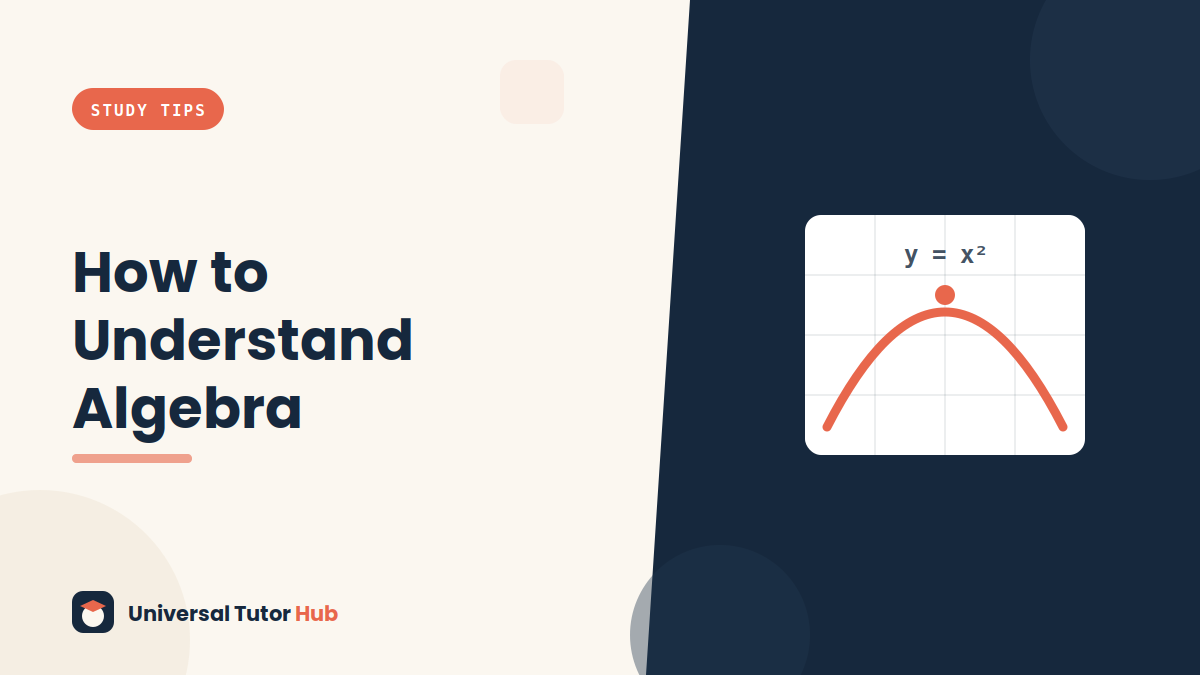
How to Actually Understand Algebra
Algebra stops making sense when letters are treated as magic. What the letters really mean, why the rules work, and how to fix the usual gaps.
Sana Iqbal · 4 min read
How to Help a Child Finally Understand Fractions
Fractions are where many children start believing they're bad at maths. Why the usual explanations fail, and what works instead.
Sana Iqbal · 4 min read
How to Learn Times Tables Without Tears
Times tables underpin most later maths. How to build genuine recall — short daily practice, the facts that matter most, and what to skip.
Sarah Ahmed · 4 min read
How to Do Well in A-Level Maths
A-Level maths is a genuine step up from GCSE. What changes, why able students stumble in the first term, and how to work effectively.
Sana Iqbal · 4 min read
Understanding Calculus: What Differentiation Really Means
Calculus taught as rules is memorisable and meaningless. What differentiation and integration actually measure, in plain language.
Sana Iqbal · 4 min read
How to Balance Chemical Equations (A Reliable Method)
Balancing equations is a systematic process, not trial and error. A method that works every time, and the rules students break without noticing.
Dr Ayesha Khan · 4 min read
Moles in Chemistry: The Idea Everything Else Rests On
If moles never clicked, every calculation topic afterwards feels impossible. What a mole actually is, and how to use it without panic.
Dr Ayesha Khan · 4 min read
How to Prepare for the UCAT
The UCAT is an aptitude test under severe time pressure. What it measures, how to prepare efficiently, and why timing beats content.
James Whitfield · 4 min read
IELTS Listening: How to Stop Losing Easy Marks
Most IELTS listening marks are lost to technique, not comprehension — spelling, word limits and losing your place. How to fix each.
Emma Clarke · 4 min read
IELTS Reading: True, False, Not Given Explained
The question type that costs candidates the most marks. What the difference actually is, and the rule that resolves nearly every case.
Emma Clarke · 4 min read
How to Improve Your GRE Verbal Score
GRE verbal rewards precise vocabulary and careful reading. How to build both efficiently, and why memorising word lists rarely works alone.
James Whitfield · 4 min read
How to Learn Vocabulary That Actually Sticks
Word lists produce recognition, not use. How to learn vocabulary you can actually deploy in speech and writing.
Emma Clarke · 4 min read
How to Improve Listening in a New Language
Understanding textbook audio but not real speech is normal. Why native speech is harder, and the practice that closes the gap.
Emma Clarke · 4 min read
How to Learn French Verb Tenses Without Drowning
French has many tenses and you don't need them all at once. Which to learn first, how to choose between passé composé and imparfait, and what to skip.
Emma Clarke · 4 min read
The Spanish Subjunctive, Explained Simply
The subjunctive is where intermediate Spanish learners stall. What it actually expresses, the triggers to learn, and how to stop overthinking it.
Emma Clarke · 4 min read
How to Learn to Read Arabic Script
The Arabic alphabet looks daunting and is more systematic than it appears. A realistic path from letters to reading.
Sana Iqbal · 4 min read
How to Improve Your English Writing as a Second-Language Learner
Grammatically correct writing can still read as unnatural. What makes writing sound native, and how to close the gap.
Emma Clarke · 4 min read
How to Write History Essays That Argue
History essays reward argument, not narrative. How to build a case, use evidence properly, and reach a judgement.
James Whitfield · 4 min read
How to Answer Source Questions in History
Source questions test evaluation, not comprehension. How to assess provenance, use your own knowledge, and avoid the stock phrases examiners dislike.
James Whitfield · 4 min read
How to Learn Quotations for English Literature
You need fewer quotations than you think, chosen better. How to select flexible ones, memorise them efficiently, and use them for marks.
Emma Clarke · 4 min read
How to Use AI for Studying Without Cheating
AI tools can genuinely help you learn or quietly prevent you learning. Where the line sits, and how to use them so they build understanding.
Dr Ayesha Khan · 4 min read
How to Choose GCSE Options
GCSE choices matter less than people fear and more than students think. What actually constrains future options, and how to decide.
Sarah Ahmed · 4 min read
Handwriting and Presentation in Exams: Does It Matter?
Examiners can't award marks for what they can't read. How much presentation matters, and how to improve legibility quickly.
Sarah Ahmed · 4 min read
How to Catch Up After Falling Behind
Falling behind feels irrecoverable and rarely is. How to work out what you've actually missed, and rebuild in the right order.
James Whitfield · 4 min read
How to Solve Simultaneous Equations (Both Methods)
Elimination or substitution — when to use each, why they work, and how to avoid the sign errors that cost most of the marks.
Sana Iqbal · 4 min read
How to Solve Quadratic Equations Three Ways
Factorising, the quadratic formula and completing the square — which to reach for, and how to know when each will actually work.
Sana Iqbal · 4 min read
How to Understand Trigonometry (Not Just Memorise It)
SOHCAHTOA is a start, not the whole subject. What sine, cosine and tangent actually measure, and how to stop guessing which one to use.
Sana Iqbal · 4 min read
How to Understand Probability Properly
Probability trips up students because intuition is unreliable. The rules that actually work, and the traps — like 'and' versus 'or' — that cost marks.
Sana Iqbal · 4 min read
What Standard Deviation Actually Measures
Standard deviation is spread, not average. What it tells you, how to read it, and why it matters more than the mean alone.
Dr Ayesha Khan · 4 min read
How to Understand Vectors
Vectors carry both size and direction. What that means in practice, how to add and scale them, and why they matter in physics and beyond.
Sana Iqbal · 4 min read
How to Understand Percentages (and Stop Fearing Them)
Percentages are just fractions out of 100. How to find them, reverse them, and handle the percentage-change questions that catch people out.
Sarah Ahmed · 4 min read
How to Understand Ratio and Proportion
Ratios compare quantities; proportion keeps them in step. How to share amounts, scale recipes, and handle the questions that hide a ratio.
Sana Iqbal · 4 min read
How to Do Long Division (and Explain It to a Child)
Long division is a repeated four-step cycle. The method, why each step matters, and how to help a child who is stuck without confusing them.
Sarah Ahmed · 4 min read
How to Understand Graphs and Gradients
A straight-line graph packs a lot of information. What gradient and intercept mean, how to read y = mx + c, and what curves are telling you.
Sana Iqbal · 4 min read
How to Understand Newton's Three Laws of Motion
Newton's laws sound simple and hide subtleties. What each law really says, the everyday examples that make them click, and the common misreadings.
Dr Ayesha Khan · 4 min read
How to Understand Electricity and Circuits
Current, voltage and resistance confuse students because they're invisible. A water analogy that works, plus the rules for series and parallel.
Dr Ayesha Khan · 4 min read
How to Understand Energy, Work and Power
Energy, work and power are related but distinct. What each means, how they connect, and why energy is never actually lost.
Dr Ayesha Khan · 4 min read
How to Understand Waves in Physics
Waves carry energy without carrying matter. The key quantities, the difference between transverse and longitudinal, and how the wave equation ties them together.
Dr Ayesha Khan · 4 min read
How to Read and Understand the Periodic Table
The periodic table is organised so that position predicts behaviour. What groups and periods tell you, and how to use patterns instead of memorising.
Dr Ayesha Khan · 4 min read
How to Understand Atomic Structure
Protons, neutrons and electrons — where they sit, what they do, and how electron arrangement drives every reaction you'll study.
Dr Ayesha Khan · 4 min read
How to Understand Chemical Bonding
Ionic, covalent and metallic bonding all come from one idea: atoms seeking full outer shells. How each works, and how bonding explains properties.
Dr Ayesha Khan · 4 min read
How to Understand Photosynthesis
Photosynthesis is how plants make food from light. The equation, what each part does, and the factors that limit the rate.
Dr Ayesha Khan · 4 min read
How to Understand Respiration
Respiration releases the energy in food — and it isn't breathing. Aerobic versus anaerobic, the equations, and why every cell depends on it.
Dr Ayesha Khan · 4 min read
How to Understand Osmosis and Diffusion
These two transport processes confuse students constantly. What each moves, which direction, and the one distinction that keeps them straight.
Dr Ayesha Khan · 4 min read
How to Analyse Language in English
Language analysis is more than spotting techniques. How to move from naming a device to explaining its effect, which is where the marks are.
Emma Clarke · 4 min read
How to Write a Comparison Essay
Comparison essays fail when they describe two things separately. How to genuinely compare, using linking language and a structure that interweaves.
Emma Clarke · 4 min read
How to Write a Strong Narrative in an Exam
Exam stories reward control, not ambition. Why a small, focused narrative beats an epic, and how to craft one under time pressure.
Emma Clarke · 4 min read
How to Understand Shakespeare
Shakespeare feels impossible until the language clicks. How to get past the unfamiliar English and read for meaning, theme and character.
Emma Clarke · 4 min read
How to Write a Conclusion That Actually Concludes
Weak conclusions just repeat the introduction. How to end an essay with a genuine judgement that leaves the reader convinced.
James Whitfield · 4 min read
How to Write an Introduction That Sets Up Your Argument
A good introduction does real work — it states your position and signposts the essay. How to write one that isn't just throat-clearing.
James Whitfield · 4 min read
How to Learn German Vocabulary (Including the Genders)
German nouns come with genders and long compounds. How to learn words with their articles from the start, and make the compounds work for you.
Emma Clarke · 4 min read
How to Build Confidence Speaking a New Language
Fear of mistakes silences more learners than lack of vocabulary. How to get over the fear and start speaking, which is how you improve.
Emma Clarke · 4 min read
How to Write a Strong Geography Essay
Geography essays need case studies, structure and evaluation. How to use real examples well and reach the judgement higher marks require.
James Whitfield · 4 min read
How to Revise for a Language Exam
Language exams test four skills, and revision has to cover all of them. How to prepare for reading, writing, listening and speaking together.
Emma Clarke · 4 min read
How to Revise for GCSE Science
GCSE science is content-heavy across three subjects. How to structure revision, master the required practicals, and handle maths-in-science.
Dr Ayesha Khan · 4 min read
How to Prepare for GCSE English Language
GCSE English Language is a skills exam, not a knowledge one. How to prepare for unseen texts, the writing tasks, and the reading questions.
Emma Clarke · 4 min read
How to Prepare for A-Level Biology
A-Level biology is a big step up in depth and volume. How to handle the content, the application questions, and the required practicals.
Dr Ayesha Khan · 4 min read
How to Prepare for A-Level Chemistry
A-Level chemistry combines heavy content with demanding calculations. How to keep the three strands together and stop the maths costing you.
Dr Ayesha Khan · 4 min read
How to Prepare for A-Level Physics
A-Level physics rewards problem-solving and strong maths over memorising. How to build the skills that the hardest questions actually test.
Dr Ayesha Khan · 4 min read
How to Prepare for IGCSE Exams
IGCSE is sat worldwide with its own style and boards. How preparation differs, what the papers reward, and how to revise effectively.
James Whitfield · 4 min read
How to Write the IB Extended Essay
The Extended Essay is a 4,000-word independent research project. How to choose a question, structure the research, and meet the criteria.
James Whitfield · 4 min read
How to Prepare for AP Exams
AP exams reward knowing the exam format as much as the content. How the scoring works, what the free-response sections need, and how to revise.
James Whitfield · 4 min read
How to Revise for A-Level History
A-Level history has vast content and demanding essays. How to organise the material, learn evidence you can use, and prepare for interpretations.
James Whitfield · 4 min read
How to Prepare for GCSE Maths (Higher Tier)
Higher tier reaches the top grades but includes harder topics. How to cover the content, tackle problem-solving questions, and target grades 7 to 9.
Sana Iqbal · 4 min read
How to Choose the Right University Course
Choosing a degree is a big decision made young. How to weigh interest, entry requirements, careers and fit without being paralysed.
James Whitfield · 4 min read
University or Apprenticeship: How to Decide
University isn't the only route, and apprenticeships have grown. How to weigh the two honestly against your goals, finances and learning style.
James Whitfield · 4 min read
How to Write a CV When You Have Little Experience
A first CV feels impossible with no work history. How to build a strong one from school, activities and skills, and what employers actually look for.
James Whitfield · 4 min read
How to Prepare for a Job Interview
Interviews reward preparation more than natural confidence. How to research, rehearse answers, and handle nerves for a first job or placement.
Sarah Ahmed · 4 min read
STEM or Humanities: How to Choose Your Path
The STEM-versus-humanities choice shapes study for years. How to think about it honestly, beyond the myths about which is more valuable.
James Whitfield · 4 min read
How to Get Work Experience as a Student
Work experience helps applications and self-understanding, but finding it is hard. Practical ways to get it, including when no one is advertising.
Sarah Ahmed · 4 min read
How to Apply to University Abroad
Studying overseas opens options but adds complexity. How the applications, tests, visas and costs work, and how to plan the timeline.
James Whitfield · 4 min read
How to Choose Between Two Career Paths
Torn between two directions? A structured way to think it through — research, trial, values and reversibility — instead of agonising in circles.
Sarah Ahmed · 4 min read
How to Manage Money as a Student
Managing money is a skill few students are taught. A practical approach to budgeting, avoiding debt traps, and making limited money last.
Sarah Ahmed · 4 min read
What Skills Do Employers Actually Want?
Beyond qualifications, employers value a consistent set of transferable skills. What they are, why they matter, and how students can build them.
James Whitfield · 4 min read
How to Understand Algorithms
An algorithm is just a precise set of steps. What that means, why efficiency matters, and how to think algorithmically without fear.
Daniyal Ahmed · 4 min read
How to Debug Your Code Methodically
Debugging is a skill, not luck. A systematic approach to finding and fixing errors, and why the panic-and-guess method wastes hours.
Daniyal Ahmed · 4 min read
How to Understand Object-Oriented Programming
OOP organises code around objects that bundle data and behaviour. What classes and objects really are, and why the approach exists.
Daniyal Ahmed · 4 min read
How to Understand Supply and Demand
Supply and demand is the foundation of economics. What the curves really show, why they move, and how price finds its balance.
James Whitfield · 4 min read
How to Understand Elasticity in Economics
Elasticity measures how responsive one thing is to another. What price elasticity means, why it matters for firms and governments, and how to read it.
James Whitfield · 4 min read
How to Analyse a Business Case Study
Business case studies reward applying theory to the specific firm, not reciting it. How to read the case, apply concepts and reach a judgement.
James Whitfield · 4 min read
How to Understand Research Methods in Psychology
Research methods underpin every psychology topic and appear throughout the exam. The key concepts, why they matter, and how to evaluate a study.
Dr Ayesha Khan · 4 min read
How to Understand Inflation
Inflation is rising prices, but the causes and effects are subtler. What drives it, who it helps and harms, and why governments target it.
James Whitfield · 4 min read
How to Evaluate in Essays (Across Every Subject)
Evaluation is where the top marks live in most essay subjects. What it actually means, and how to do it rather than just describing.
James Whitfield · 4 min read
How to Understand Statistical Significance
Statistical significance is widely used and widely misunderstood. What it actually means, what it does not, and how to interpret a p-value honestly.
Dr Ayesha Khan · 4 min read
How to Write a Strong Sociology Essay
Sociology essays reward theory, evidence and evaluation together. How to use perspectives, apply studies, and weigh arguments to a judgement.
James Whitfield · 4 min read
How to Understand and Use Legal Cases
Case law is the backbone of legal study. How to read a case, extract the principle, and apply it — rather than memorising names.
James Whitfield · 4 min read
How to Write a Strong Politics Essay
Politics essays reward argument, evidence and balance. How to build a case, use real examples, and stay analytical rather than descriptive.
James Whitfield · 4 min read
How to Learn Mandarin Characters
Thousands of characters feels impossible until you see the system. How radicals, components and spaced repetition make them learnable.
Emma Clarke · 4 min read
How to Understand English Tenses
English tenses trouble learners because of the aspects. A clear map of the tenses, what each is for, and the ones that cause most trouble.
Emma Clarke · 4 min read
How to Understand the Supply Side of the Economy
Supply-side policy aims at the economy's productive capacity. What it means, how it differs from demand-side, and the debates around it.
James Whitfield · 4 min read
How to Understand Cell Biology
Cells are the foundation of biology. What the key structures do, how animal and plant cells differ, and why the detail matters later.
Dr Ayesha Khan · 4 min read
How to Understand Genetics and Inheritance
Genetics has its own vocabulary that trips students up. The key terms, how inheritance works, and how to handle genetic cross questions.
Dr Ayesha Khan · 4 min read
How to Read a Poem for Meaning
Poems reward a different kind of reading. How to approach one you've never seen, find its meaning, and notice how form creates effect.
Emma Clarke · 4 min read
How to Understand Macbeth
Macbeth is a set text for many students. Its key themes, how the main characters develop, and how to write about it for exams.
Emma Clarke · 4 min read
How to Build a Revision Schedule That You'll Actually Follow
Most revision timetables collapse within days. How to build one that survives contact with real life, and adjust it when it slips.
Sana Iqbal · 4 min read
How to Study Alongside a Full-Time Job
Studying around work demands ruthless use of limited time. How to protect small windows, choose efficient methods, and stay sustainable.
James Whitfield · 4 min read
How to Study in a Group Effectively
Group study helps or wastes time depending on how it's run. How to make it productive, what it's good for, and when to work alone instead.
Sana Iqbal · 4 min read
How to Help a Teenager With Revision (Without Conflict)
Pushing a teenager to revise often backfires. How to support them in ways that help rather than provoke, and where to step back.
Sarah Ahmed · 4 min read
How to Support a Child Through Exam Stress
Exam season is stressful for the whole family. How to support an anxious child, keep perspective, and know when stress needs more help.
Sarah Ahmed · 4 min read
How to Improve Focus and Avoid Distraction
Distraction is engineered to beat your willpower. How to design your environment so focus is easier, rather than relying on discipline alone.
James Whitfield · 4 min read
How to Learn From Your Mistakes in Practice Exams
Doing past papers is only half the work — the learning is in the review. How to analyse your mistakes so you stop repeating them.
Sana Iqbal · 4 min read
How to Set Study Goals That Work
Vague goals like 'do better' don't guide action. How to set specific, achievable study goals that actually change what you do.
Sana Iqbal · 4 min read
How to Deal With a Bad Mock Result
A disappointing mock feels like a verdict. Why it isn't, what it's actually useful for, and how to turn it into improvement.
Sarah Ahmed · 4 min read
How to Stop Comparing Yourself to Other Students
Comparing yourself to classmates damages confidence and focus. Why the comparison is misleading, and how to refocus on your own progress.
Sarah Ahmed · 4 min read
How to Understand Plate Tectonics
Plate tectonics explains earthquakes, volcanoes and mountains. What drives the plates, what happens at their boundaries, and why it matters.
James Whitfield · 4 min read
How to Understand the Water Cycle
The water cycle links evaporation, rainfall and rivers into one system. The key processes, how they connect, and why the detail matters at GCSE and beyond.
James Whitfield · 4 min read
How to Read and Interpret Climate Graphs
Climate graphs pack temperature and rainfall into one chart. How to read both axes, describe the pattern, and use the data in answers.
James Whitfield · 4 min read
How to Understand Forces and Motion
Forces and motion underpin mechanics. How to read speed, velocity and acceleration, use motion graphs, and connect them to forces.
Dr Ayesha Khan · 4 min read
How to Understand Acids, Bases and pH
Acids and bases are a core chemistry topic. What the pH scale means, how neutralisation works, and the reactions you need to know.
Dr Ayesha Khan · 4 min read
How to Understand the Human Heart and Circulation
The heart and circulatory system confuse students with their detail. How the double circulation works, what each part does, and how to remember it.
Dr Ayesha Khan · 4 min read
How to Learn Urdu Grammar
Urdu grammar has features unfamiliar to English speakers. How word order, gender and postpositions work, and how to approach them.
Sana Iqbal · 4 min read
How to Understand the Basics of Tajweed
Tajweed governs correct Quran recitation. What it covers, why it matters, and how a beginner can approach learning it properly.
Sana Iqbal · 4 min read
How to Prepare for O-Level Islamiat
O-Level Islamiat rewards knowledge and analysis together. How to learn the content, handle the passages, and answer the two-part questions.
Sana Iqbal · 4 min read
How to Approach Unseen Comprehension Questions
Comprehension tests reading skill under time pressure. How to read the text, find evidence, and answer different question types precisely.
Emma Clarke · 4 min read
How to Prepare for the TOEFL
The TOEFL tests academic English across four skills. How each section works, what it rewards, and how to prepare efficiently.
Emma Clarke · 4 min read
How to Improve Your SAT Reading Score
SAT reading rewards evidence and pace. How to find the answer in the passage, avoid tempting wrong options, and manage the time.
James Whitfield · 4 min read
How to Improve Your SAT Math Score
SAT math rewards accuracy and efficiency over advanced content. How to master the recurring topics, avoid careless errors, and use the calculator well.
Sana Iqbal · 4 min read
How to Write a Good Lab Report
Lab reports follow a clear structure for a reason. What each section is for, how to write it well, and the common mistakes that lose marks.
Dr Ayesha Khan · 4 min read
How to Learn Effectively in Online Lessons
Online learning suits some students and challenges others. How to get the most from online lessons, stay engaged, and make the format work for you.
Sana Iqbal · 4 min read
How to Prepare for the First Tutoring Session
A good first session sets the tone. How parents and students can prepare so the tutor can help quickly, and what to expect.
Sarah Ahmed · 4 min read
How to Improve Reading Speed and Comprehension
Reading faster is useless if you understand less. How to read more efficiently while keeping comprehension, and when slow reading is right.
Emma Clarke · 4 min read
How to Revise Two Subjects on the Same Day
Juggling subjects in one revision day can help or hinder. How to interleave subjects effectively, and avoid the confusion of switching badly.
Sana Iqbal · 4 min read
How to Help a Child Fall in Love With Reading
A child who reads for pleasure gains enormously. How to nurture a genuine love of reading without turning it into a chore.
Sarah Ahmed · 4 min read
How to Help Your Child Stay Organised at School
Disorganisation costs marks and causes stress. How to help a child build organisation systems that work, without doing it all for them.
Sarah Ahmed · 4 min read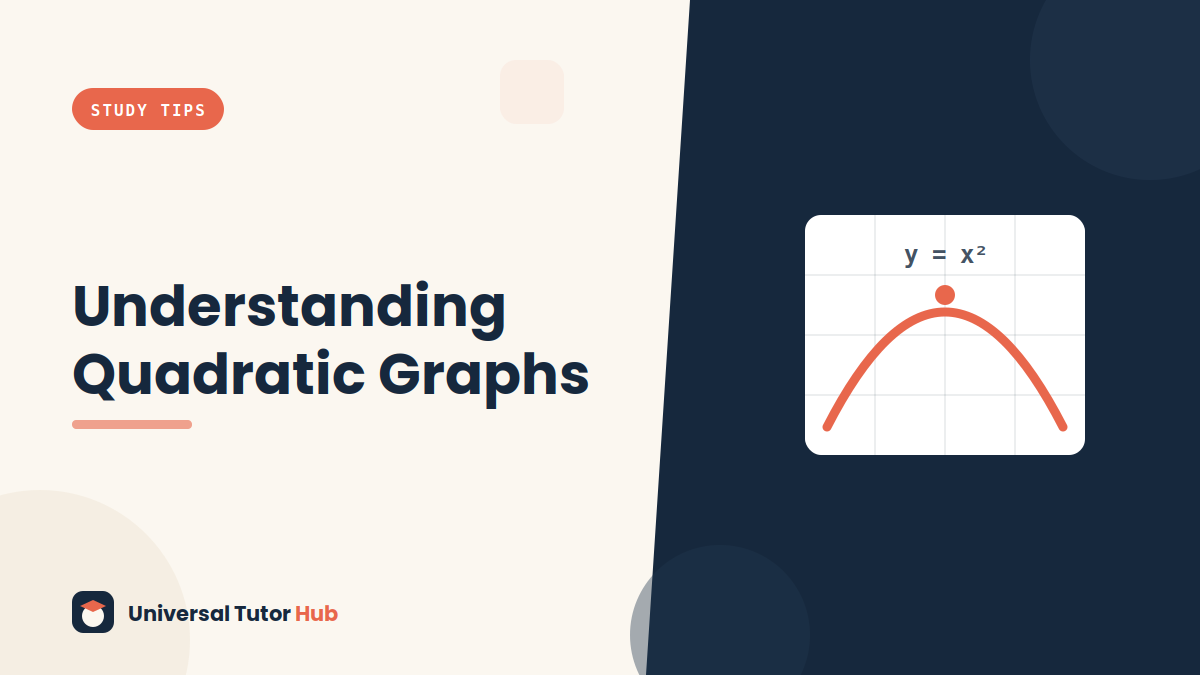
How to Understand Quadratic Graphs
The parabola shape carries a lot of information. How to read roots, the turning point and the line of symmetry, and sketch one reliably.
Sana Iqbal · 4 min read
How to Understand Indices and Powers
The index laws look arbitrary until you see where they come from. What powers mean, why the rules work, and how to handle negatives and fractions.
Sana Iqbal · 4 min read
Mean, Median and Mode: Which Average to Use
There are three averages, and they can disagree. What each measures, when each is the right one, and why the choice matters.
Sarah Ahmed · 4 min read
How to Understand Radioactivity
Radioactivity is unstable atoms releasing radiation. The types, what half-life means, and how to handle the calculations without fear.
Dr Ayesha Khan · 4 min read
How to Understand Evolution by Natural Selection
Natural selection is often misunderstood. The actual mechanism, the common misconceptions, and how to explain it clearly for exams.
Dr Ayesha Khan · 4 min read
Macroeconomics vs Microeconomics: The Difference
The two branches of economics ask different questions at different scales. What each covers, how they connect, and why students confuse them.
James Whitfield · 4 min read
How to Understand Data Types in Programming
Data types decide what a program can do with a value. What the main types are, why they matter, and the errors that come from confusing them.
Daniyal Ahmed · 4 min read
How to Understand Loops in Programming
Loops let a program repeat work without repeating code. How the main loop types work, when to use each, and how to avoid infinite loops.
Daniyal Ahmed · 4 min read
How to Understand Supply Chains in Business
A supply chain links raw materials to the customer. What the stages are, why they matter to a business, and the trade-offs involved.
James Whitfield · 4 min read
How to Understand Memory in Psychology
Memory is a core psychology topic with competing models. The main models, key studies, and how to evaluate them for exams.
Dr Ayesha Khan · 4 min read
How to Understand the Nitrogen Cycle
The nitrogen cycle looks intimidating with its many stages. How to follow the flow, what each process does, and how to remember it.
Dr Ayesha Khan · 4 min read
How to Understand Ecosystems and Food Chains
Ecosystems link living things and their environment. How energy flows, what food chains and webs show, and why disruption spreads.
Dr Ayesha Khan · 4 min read
How to Understand the French Revolution
The French Revolution is complex and often studied. How to grasp its causes, key phases and significance without getting lost in detail.
James Whitfield · 4 min read
How to Understand Poetic Form and Structure
Form and structure carry meaning, not just content. What to look for in a poem's shape, and how to write about it convincingly.
Emma Clarke · 4 min read
How to Understand and Perform Titrations
Titration is a precise technique with predictable exam questions. What it's for, how to do it accurately, and how the calculations work.
Dr Ayesha Khan · 4 min read
How to Solve Simultaneous Equations Graphically
Solving simultaneous equations by drawing shows what the answer means. How the intersection gives the solution, and when the method helps.
Sana Iqbal · 4 min read
How to Understand and Remember Circle Theorems
Circle theorems feel like a list to memorise. How to understand them, spot which applies, and build the reasoning exam questions want.
Sana Iqbal · 4 min read
How to Understand Forces in Equilibrium
Equilibrium means balanced forces, but the details trip students up. What equilibrium really requires, and how to solve balance problems.
Dr Ayesha Khan · 4 min read
How to Understand Rates of Reaction
Reaction rates depend on a few key factors, all explained by one idea. What controls how fast reactions go, and why collision theory ties it together.
Dr Ayesha Khan · 4 min read
How to Write a Discursive Essay
A discursive essay explores a topic in a balanced way. How it differs from an argument, how to structure it, and how to stay even-handed.
Emma Clarke · 4 min read
How to Improve Your Vocabulary for Writing
A richer vocabulary lifts writing, but only if used well. How to build vocabulary that you can actually deploy, not just recognise.
Emma Clarke · 4 min read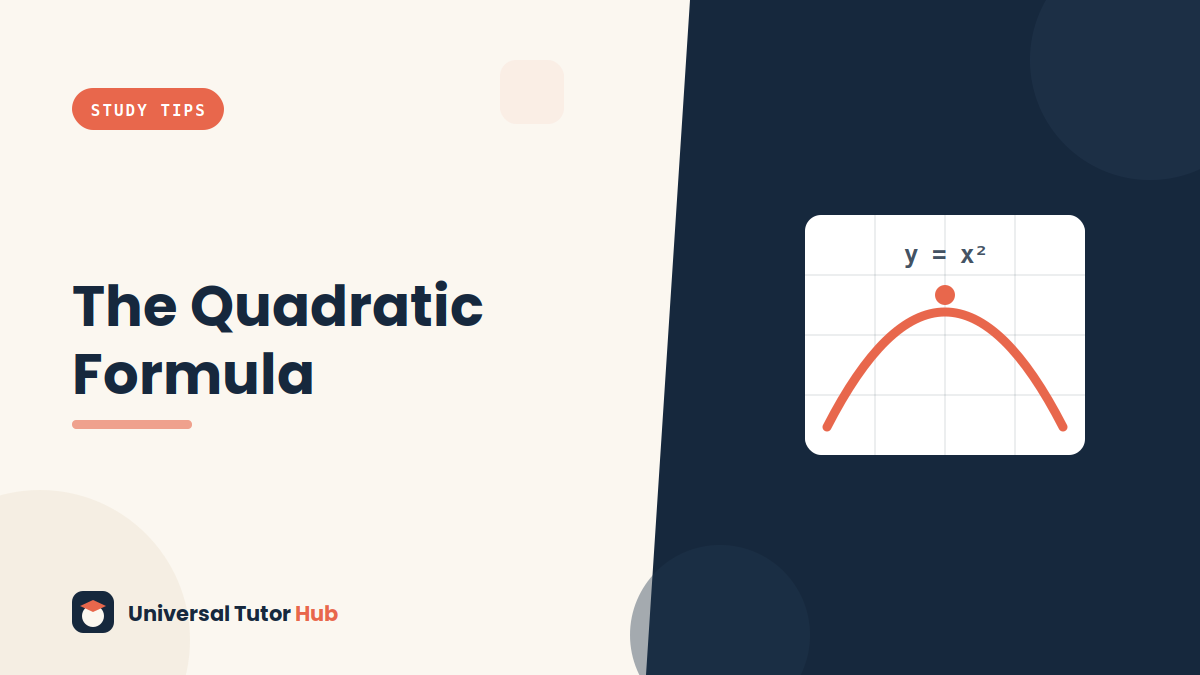
How to Use the Quadratic Formula With Confidence
The quadratic formula solves any quadratic, but slips are common. How to use it accurately, avoid the usual errors, and know when it's the right tool.
Sana Iqbal · 4 min read
How to Understand Homeostasis
Homeostasis keeps the body's internal conditions stable. The general principle, how negative feedback works, and the key examples to know.
Dr Ayesha Khan · 4 min read
How to Understand GDP and Economic Growth
GDP measures the size of an economy, but it has limits. What it captures, what economic growth means, and what GDP leaves out.
James Whitfield · 4 min read
How to Revise for a Spelling or Vocabulary Test
Vocabulary and spelling tests reward the right practice. How to learn words so they stick, using methods that beat reading the list over.
Sana Iqbal · 4 min read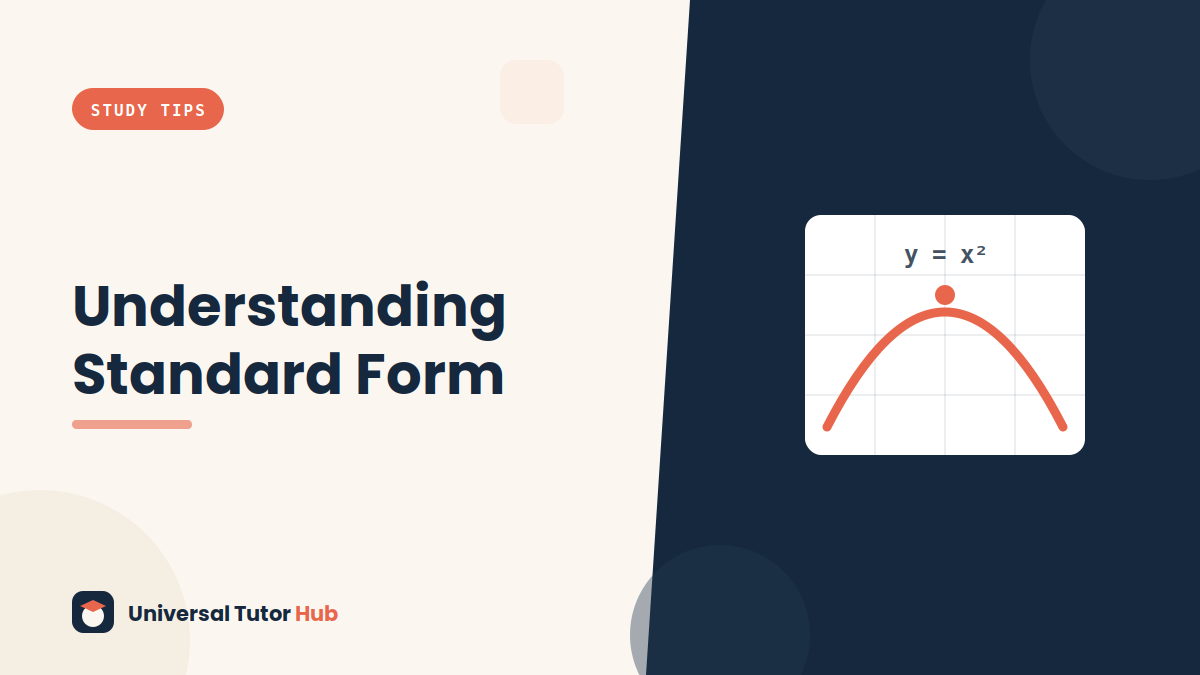
How to Understand Standard Form
Standard form handles very large and very small numbers neatly. What it means, how to convert to and from it, and how to calculate with it.
Sana Iqbal · 4 min read
How to Write a Film or Media Analysis
Media analysis reads images and sound the way English reads text. The key techniques to notice, and how to link them to meaning and audience.
Emma Clarke · 4 min read
How to Prepare for an Oral or Speaking Exam
Speaking exams test performance under pressure. How to prepare material, rehearse delivery, and manage nerves so you show what you know.
Emma Clarke · 4 min read
How to Understand Electromagnetism
Electricity and magnetism are deeply linked. How a current makes a magnetic field, how that drives motors, and how to picture the invisible.
Dr Ayesha Khan · 4 min read
How to Choose a Dissertation Topic
The dissertation topic shapes months of work. How to choose one that is interesting, manageable and researchable, and avoid common traps.
James Whitfield · 4 min read
How to Manage a Heavy Study Workload
When everything feels due at once, overwhelm sets in. How to take control of a heavy workload, prioritise, and keep it sustainable.
Sana Iqbal · 4 min read
How to Understand Trigonometric Identities
Trig identities look like a wall of formulae. How to understand where the key ones come from, and how to use them to simplify and prove.
Sana Iqbal · 4 min read
How to Understand the Cold War
The Cold War spans decades and continents. How to grasp its nature, key phases and causes without drowning in events.
James Whitfield · 4 min read
How to Help Your Child With Science at Home
You don't need to be a scientist to help your child with science. How to support their learning, spark curiosity, and help without teaching.
Sarah Ahmed · 4 min read
How to Understand the Basics of Differentiation
Differentiation finds rates of change and gradients. What it really means, the basic rule, and how to get past the intimidating notation.
Sana Iqbal · 4 min read
How to Understand the Basics of Integration
Integration reverses differentiation and finds areas. What it means, how it relates to differentiation, and the basic rule to start with.
Sana Iqbal · 4 min read
How to Understand Le Chatelier's Principle
This principle predicts how reversible reactions respond to change. What it says, how to apply it to conditions, and why it matters industrially.
Dr Ayesha Khan · 4 min read
How to Write a Reflective Essay
Reflective writing explores your own experience and learning. How it differs from other essays, and how to reflect with genuine depth.
Emma Clarke · 4 min read
How to Understand the Normal Distribution
The bell curve appears everywhere in statistics. What it represents, why so much data fits it, and how to read it without fear.
Dr Ayesha Khan · 4 min read
How to Analyse a Historical Source
Source analysis is a distinct history skill. How to weigh provenance, content and context to judge usefulness and reliability properly.
James Whitfield · 4 min read
How to Understand Functions in Mathematics
Functions are a core idea running through maths. What a function really is, the notation, and how to think about inputs and outputs clearly.
Sana Iqbal · 4 min read
How to Understand the Carbon Cycle
The carbon cycle moves carbon through air, life and earth. The key processes, how they balance, and why human activity disturbs it.
Dr Ayesha Khan · 4 min read
How to Understand Market Structures
Market structures range from many small firms to a single dominant one. What the main types are, how they differ, and why the differences matter.
James Whitfield · 4 min read
How to Revise When You've Left It Late
Running out of time before an exam is stressful but not hopeless. How to make the most of limited time with ruthless prioritisation.
Sana Iqbal · 4 min read
How to Use Quotations Effectively in Essays
Quotations support literary essays, but only when used well. How to choose, embed and analyse them so they strengthen your argument.
Emma Clarke · 4 min read
How to Understand Probability Trees
Tree diagrams make multi-stage probability manageable. How to build one, what to multiply and add, and how to avoid the usual mistakes.
Sana Iqbal · 4 min read
How to Understand the Nervous System
The nervous system carries signals around the body. How it is organised, how neurons transmit, and how reflexes work — explained clearly.
Dr Ayesha Khan · 4 min read
How to Choose Your University Modules
Module choices shape your degree and can affect your future. How to choose well, balancing interest, strengths, workload and where they lead.
James Whitfield · 4 min read
How to Understand Osmosis and Water Transport in Plants
Plants rely on osmosis to take up water and stay upright. How water moves into roots, up the plant, and why plants wilt without it.
Dr Ayesha Khan · 4 min read
How to Prepare a Strong Scholarship Application
Scholarships are competitive but winnable with preparation. How to find the right ones, meet the criteria, and write an application that stands out.
Sarah Ahmed · 4 min readPractical guides, written by people who teach
These are the answers we find ourselves giving students and parents over and over — how to revise so it actually sticks, what examiners really reward, which exam to take, and what to do when a subject has stopped making sense.
Everything here is written by tutors who teach the subject, and none of it promises grades. Where the honest answer is 'it depends', we say what it depends on. Where a technique is backed by research, we say so; where it is our experience, we say that too.
Where to start
If you are revising for exams, start with active recall and spaced repetition — the two techniques with the strongest evidence behind them. If you are choosing between qualifications or tests, the comparison guides lay out both sides. If a specific subject is the problem, most subjects here have a guide of their own.
Want help putting this into practice?
Reading about study technique helps. Working through it with a tutor who knows your syllabus helps more. Your first demo session is free.